What Is the History of Dutch Flower Markets?
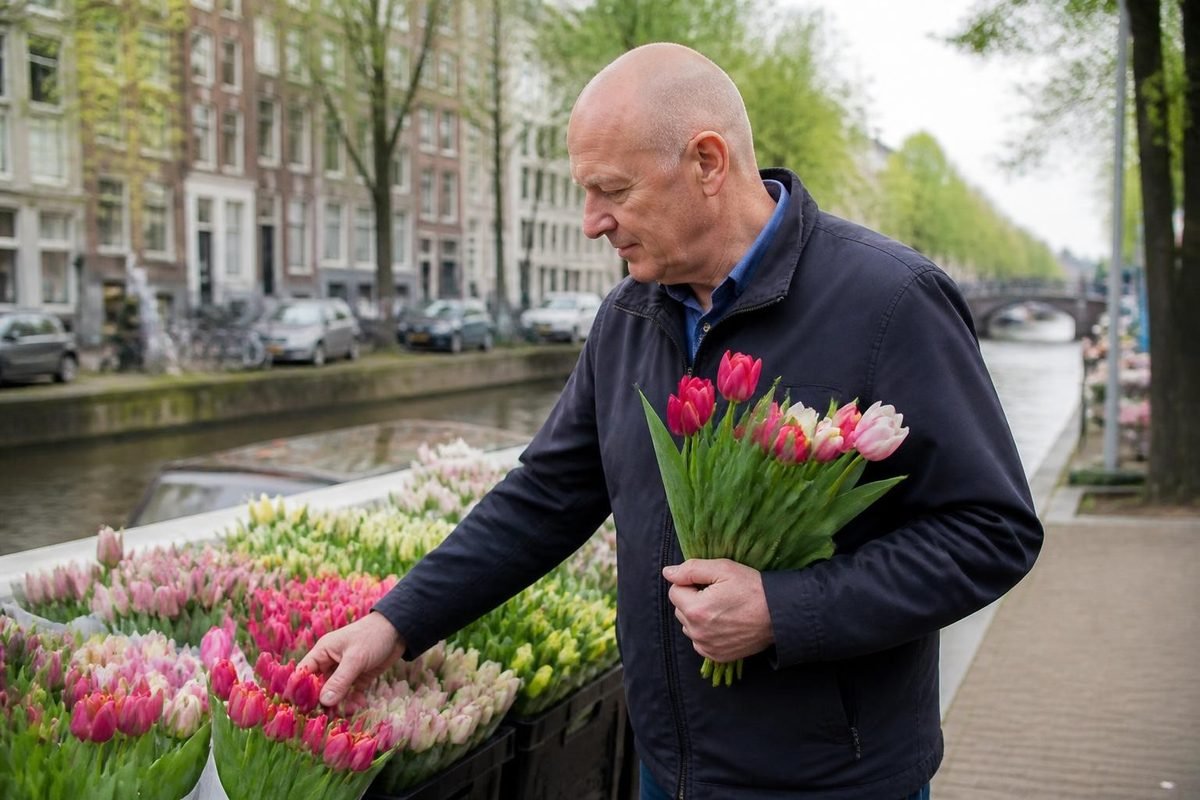
Flower markets in the Netherlands grew from local plant trading into a network of public markets and large wholesale auctions. Their history includes the tulip trade of the seventeenth century, Amsterdam's floating flower market and the rise of auctions near growing areas.
Early flower trading
Flowers and bulbs have been grown and sold in the Netherlands for centuries. Tulips, introduced to the region in the late sixteenth century, became especially sought after by collectors and gardeners.
During the 1630s, some tulip bulbs commanded exceptionally high prices. The period known as tulip mania ended when prices fell sharply in 1637. It is a memorable part of Dutch flower history, but it was only one episode in a much longer story of growing and trading plants.
As Dutch towns grew, people bought flowers and plants through markets and other sellers. Waterways also mattered. Boats could carry flowers, bulbs and other goods between growing areas and towns, making them a practical part of the trade.
From floating stalls to auctions
Amsterdam's Bloemenmarkt is a familiar public flower market on the Singel canal. Its history reaches back to 1862, when flowers were brought into the city by boat. The stalls stand on floating platforms, preserving a visible connection to that waterborne trade.
Public markets served people buying flowers for their homes and gardens. Wholesale auctions developed for a different purpose: bringing growers and professional buyers together to trade larger quantities.
In Aalsmeer, a town with a long tradition of horticulture, growers established flower auctions in the early twentieth century. Auction clocks helped buyers make quick decisions about perishable flowers. A clock displayed a price that descended until a buyer accepted it.
How the trade works today
The Netherlands remains a major center for the international flower trade. Flowers arrive from Dutch growers and from other countries, and buyers distribute them to florists, shops and markets in many places.
Not every Dutch flower market looks or works the same way. The distinction is useful if you are exploring their history:
- Public markets offer flowers and plants directly to shoppers.
- Wholesale auctions bring professional growers and buyers together.
- Bulb sellers focus on plants that customers can grow themselves.
Digital trading now plays an important role alongside the auction clock. Yet the basic need is familiar: cut flowers are delicate, so getting them from grower to buyer promptly still matters.
Questions about Dutch flower markets
Is Amsterdam's flower market really floating?
Yes. Its stalls stand on floating platforms along the Singel canal, although visitors browse from the street.
Did tulip mania create Dutch flower markets?
No. Tulip mania was a short period of intense speculation within a longer history of flower and bulb growing and trade.
Can visitors buy flowers at a wholesale auction?
Wholesale auctions mainly serve professional buyers. A public flower market is a simpler place for a visitor to buy a bouquet or bulbs.
Also helpful: gift delivery in another time zone